DA NANG, VIETNAM, 5 October 2026 — The future of regional trade depends on more than physical infrastructure. It also requires enabling policy frameworks, cross-border collaboration, and practical models for innovation. In a significant step towards advancing these objectives, YCH Group’s Vietnam SuperPort® has formalised a strategic partnership with the Da Nang Specific Economic Zones Authority (DSEZA).
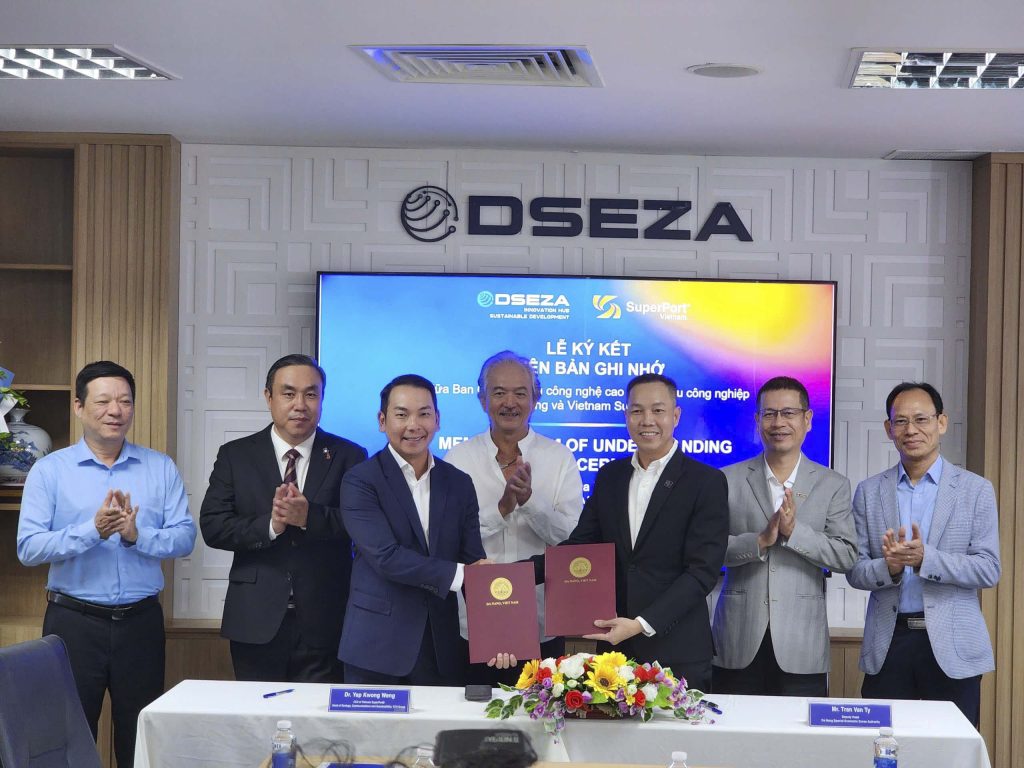
A Memorandum of Understanding (MOU) was signed in Da Nang City, Vietnam. The agreement was signing by Dr. Yap Kwong Weng, representing Vietnam SuperPort®, and Mr. Tran Van Ty, representing DSEZA.
The meeting brought together key regional stakeholders, including representatives from the Saigon–Da Nang Investment Joint Stock Company, Vietnam Joint Stock Commercial Bank for Industry and Trade (VietinBank Da Nang), and Laos Shenker Using Resources Sole Co., Ltd.
Unlocking Central Vietnam’s Strategic Potential
Opening the strategic discussions, Dr. Robert Yap, Executive Chairman of YCH Group, emphasized Da Nang’s vital positioning as a central Vietnam gateway with immense potential to strengthen trade corridors between Vietnam, ASEAN, and international markets.
Dr. Yap outlined a vision for differentiating the Da Nang FTZ through stronger regional connectivity, practical cross-border supply chain use cases and the selective application of relevant international practices. He also highlighted the potential for the FTZ to provide a controlled environment for testing appropriate policies and technologies, supported by integrated logistics, industrial and commercial capabilities and targeted talent development.
Scope of Collaboration and the Proposed Sandbox Model
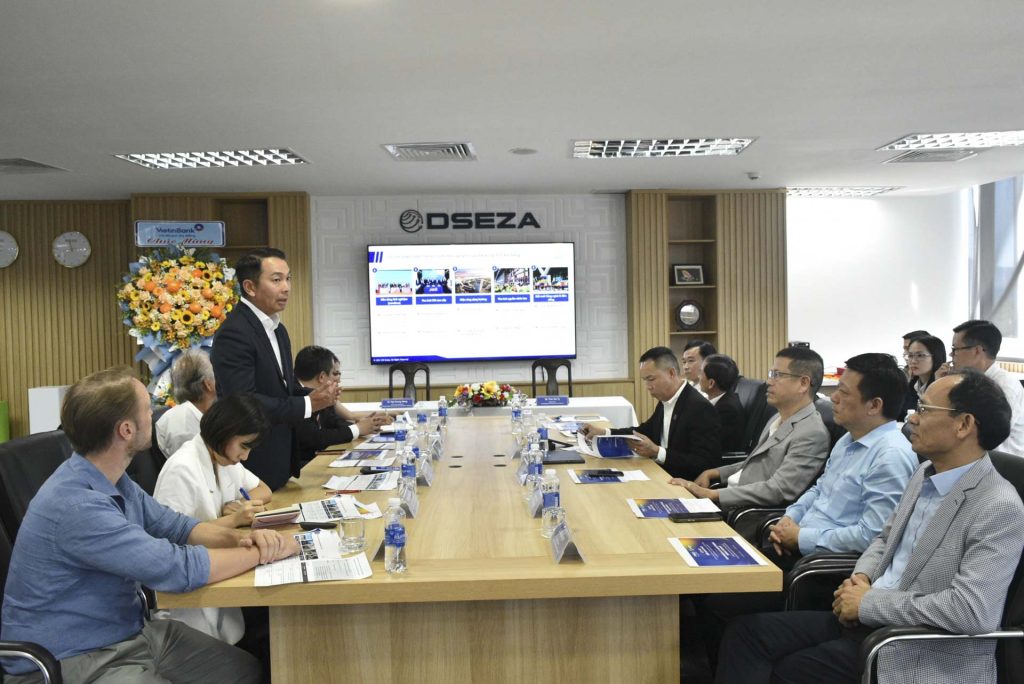
Dr. Yap Kwong Weng presented the proposed Da Nang FTZ sandbox framework and its potential to support the testing and refinement of relevant policies and technologies. The framework is intended to strengthen the FTZ’s appeal to technology, research and development, and advanced supply chain activities.
Under the MOU, Vietnam SuperPort® and DSEZA will cooperate in four broad areas: FTZ policy and operating-model development, infrastructure and technology applications, connections with relevant international partners, and capability building to strengthen local logistics practices and FTZ operations.
Moving from Agreement to Execution
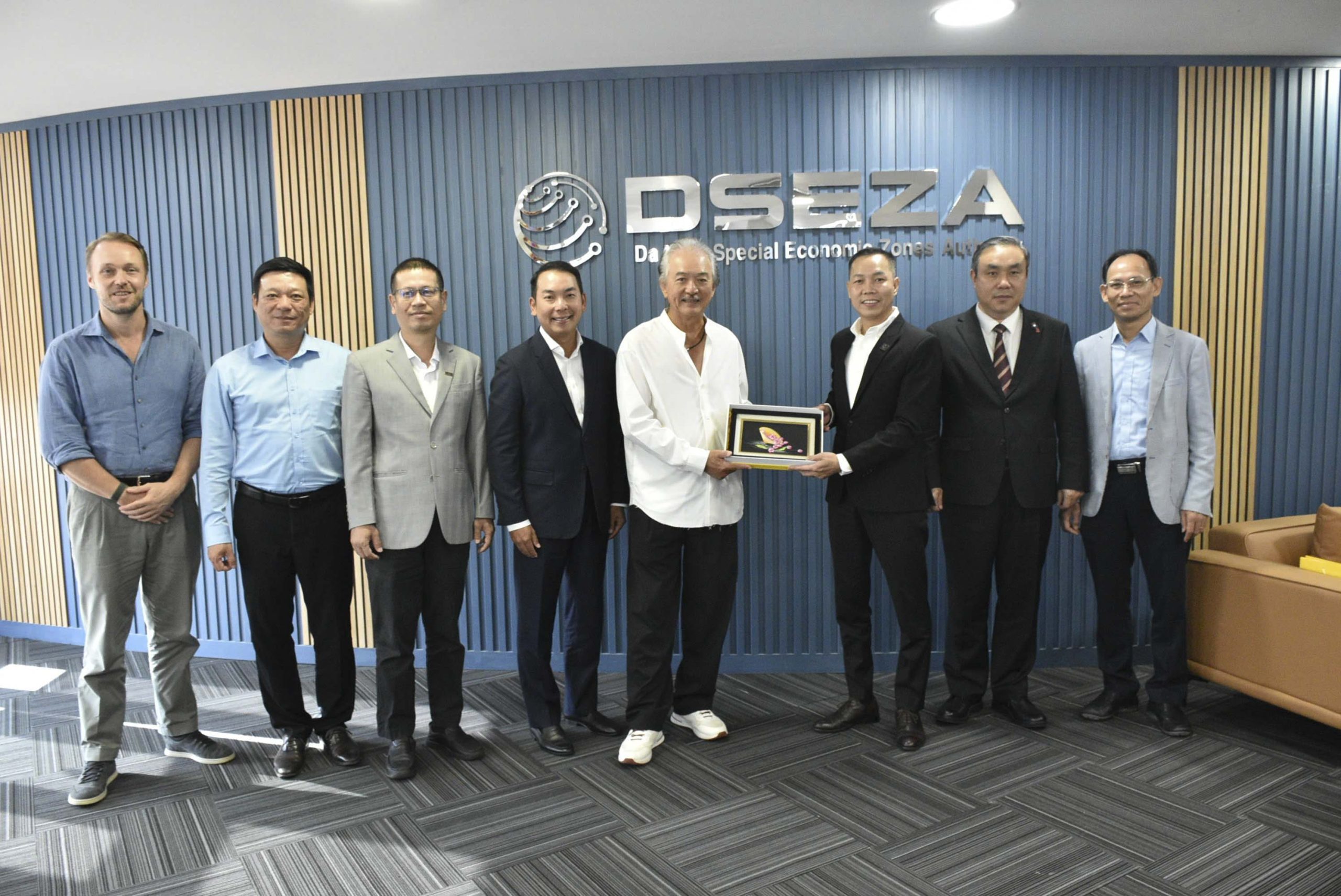
Both parties will now engage relevant stakeholders to identify practical initiatives that strengthen regional connectivity, logistics capabilities and sustainable economic growth in Central Vietnam.